Riding the Beaconed Coast with Weather-Smart Confidence

Today we explore seasonal wind and weather strategies for cyclists on lighthouse routes, blending practical meteorology, coastal route planning, gear choices, and real rider stories, so you can pedal smarter, safer, and faster under shifting skies and restless seas.

Sea breeze and land breeze as a daily two‑act play

Morning land breezes slip seaward as chilled night air drains toward the surf, gifting sheltered starts but tricky crosswind corners. By midday, warmed land pulls cool ocean air inland, strengthening on clear days. Time exposed stretches to avoid peak pulses, and ride timbered corridors when flags stiffen.

Reading flags, whitecaps, and gulls as living instruments

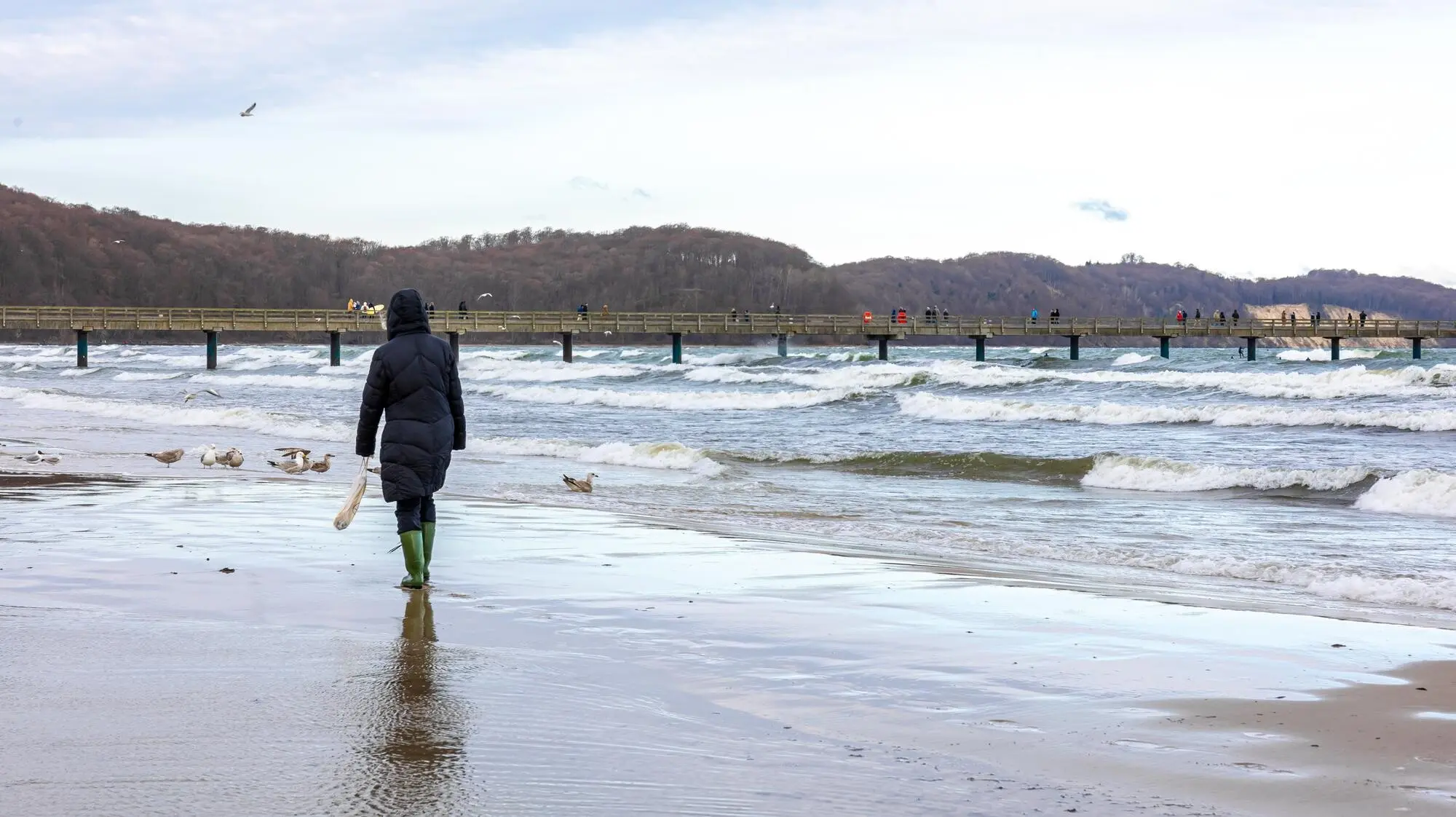
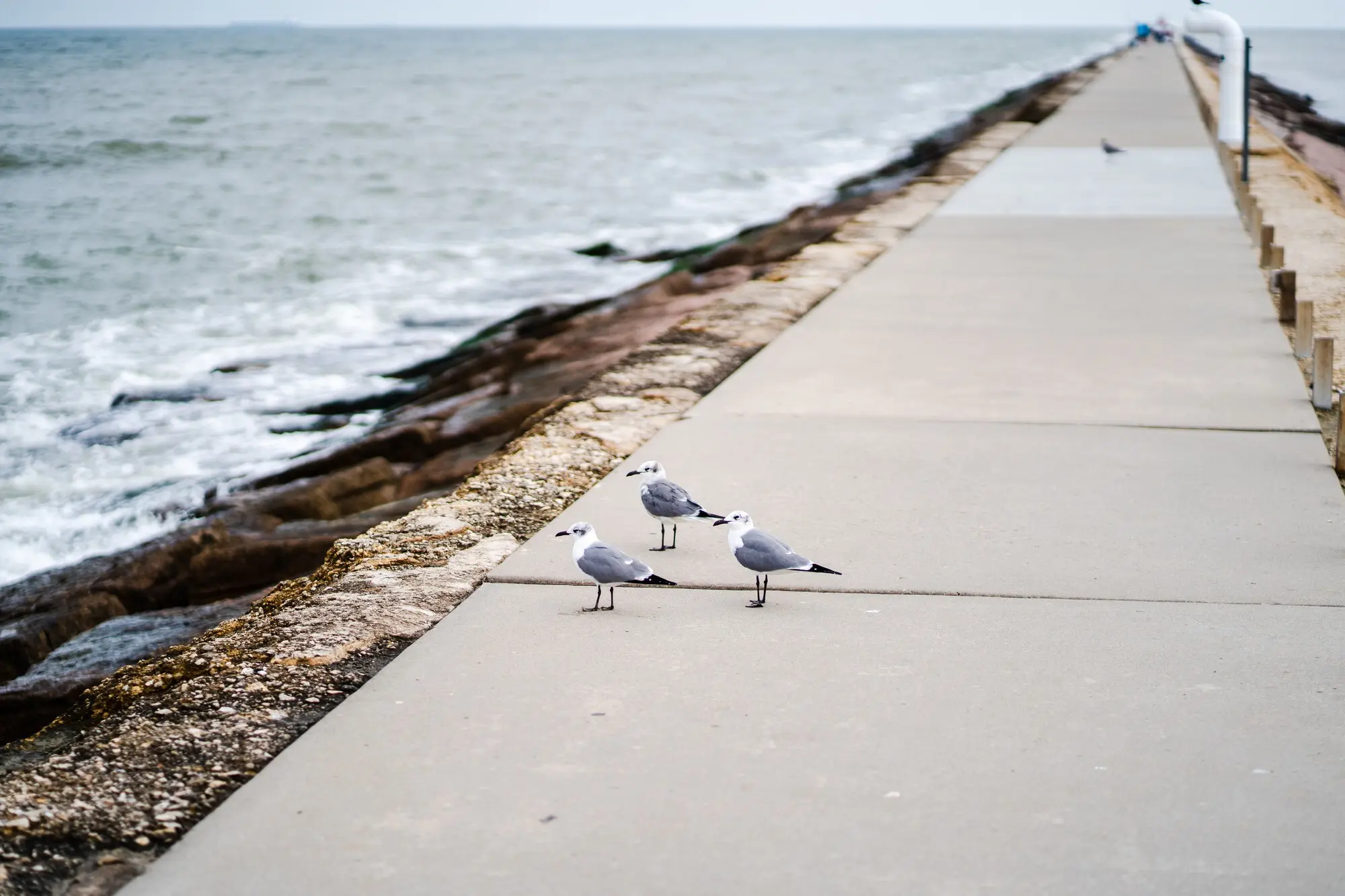
Observation beats gadgets when the coast sings. Slack flags suggest variable breezes and gentle steering. Sharp pennants, tearing surf, and triangular whitecaps warn of rising force and shorter intervals. Watch gulls crabbing sideways and spray lifting off wave crests to judge crosswind violence before committing to clifftop lanes.

Timing the Ride Between Beacons

Coastal timing is a craft. Start against predictable resistance, finish with a forgiving push, and stitch segments to match diurnal cycles. Blend forecast models with shoreline cues, ferries, and tide gates, turning a windy out-and-back into a rhythm that feels intentionally choreographed.

Equipment That Loves the Breeze

Smart choices tame chaos. Stability beats flash when railings hum and gulls hang motionless. Prioritize control, visibility, and warmth you can vent on climbs. Build a setup that shrugs at crosswinds, shrugs at spray, and keeps your mind available for decisive steering.

Technique That Tames Gusts

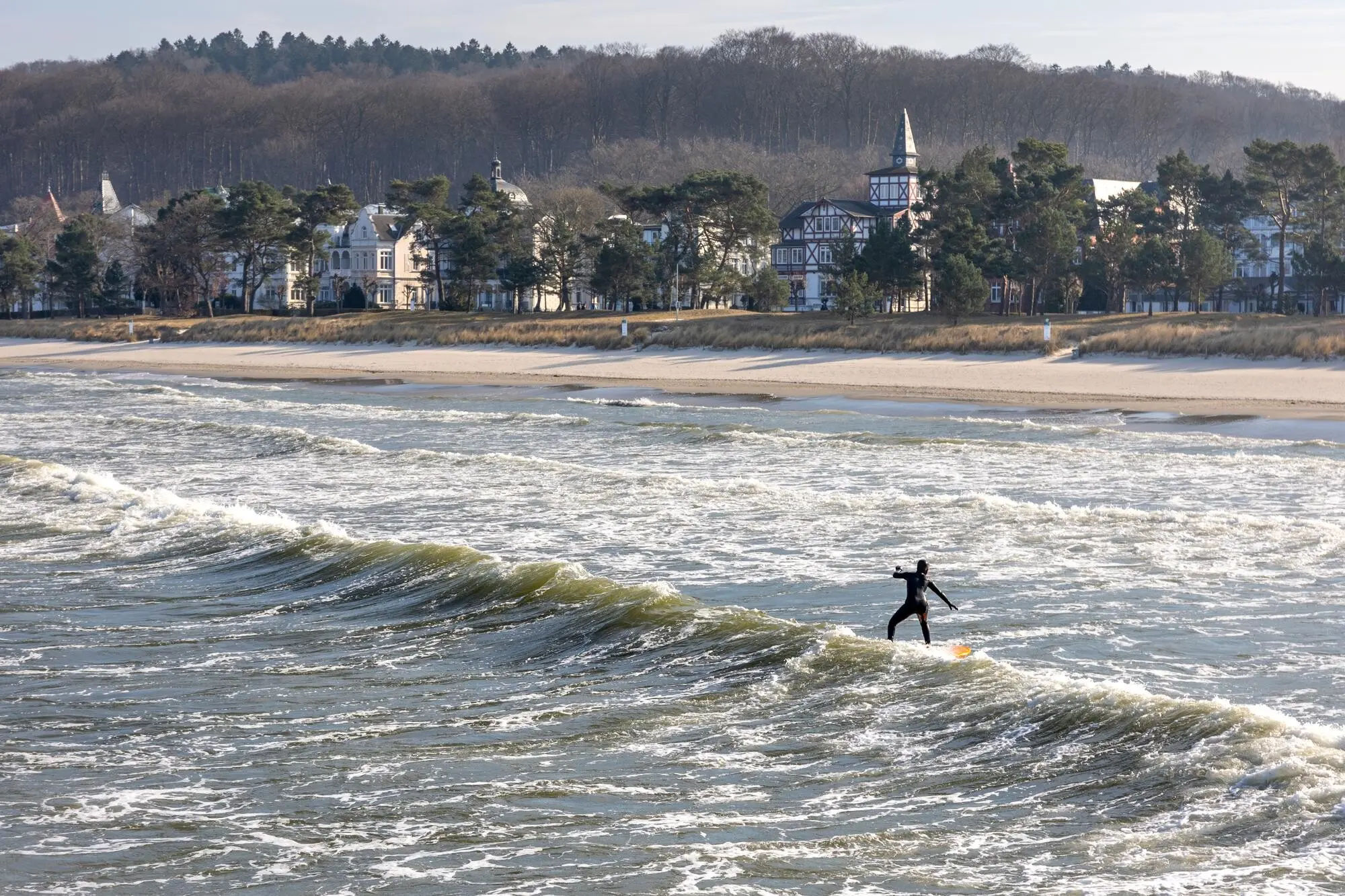
Your body is a trim tab. Relaxed hands, hinged hips, and soft elbows let wheels dance beneath you while your line stays true. Learn micro-sheltering, read gust shadows, and coordinate with friends so the wind becomes stimulus, not sabotage, along glittering capes.

Lower silhouette, lighter touch

Drop your torso, hinge at the hips, and keep a light touch that allows steering to self-correct rather than fight. Aim eyes far ahead, breathe steadily, and accept small line wavering. The goal is predictable movement that groupmates can read and vehicles can comfortably anticipate.

Cornering near exposed headlands

Gusts often spike at bends where cliffs open. Enter a touch wider, delay lean until past the windy gap, and keep pressure through outside foot. If a shove arrives, relax, let the bike yaw slightly, then re-center smoothly without sudden inputs that invite further instability.

Rotations that respect irregular gusts

Traditional pacelines falter when wind varies wildly. Use shorter pulls on exposed ridges, rotate on sheltered sections, and communicate loudly before the front rider peels. Feather speed rather than brake, and leave overlap-free space so lateral shoves do not cascade through tired handlebars.

Safety, Signals, and Smarter Decisions

Coastal beauty can distract from blunt physics. Create firm go and no-go rules before wheels roll, matching experience to distance, exposure, and exit options. Prioritize visibility, redundancy, and conservative margins, understanding that heroic stories rarely outweigh the gentle satisfaction of returning warm and whole.

Checklists that earn trust

Write quick checks for clothing, lights, batteries, pressure, maps, and contingency stops, and actually read them before each departure. Share your plan and expected return, note bailout points on the route, and agree hand signals so unfamiliar partners can cooperate instinctively when the wind surprises everyone.
Visibility and courtesy around sightseeing traffic

Lighthouse pullouts attract wandering feet and sudden doors. Slow sooner, make eye contact, and announce passes clearly. Run bright, non-blinding lights; choose lines that maximize space; and remember that goodwill today often becomes safe room tomorrow when someone recalls your patience and yields without hesitation.
Shelter, storms, and decisive turnarounds

Know where stone walls, visitor centers, and bus shelters sit, and practice choosing warmth over bravado. Lightning near open water demands immediate retreat; sudden fog may require walking tight shoulders. Turn early without apology, note lessons, and live to enjoy a clearer, kinder window soon.

Dawn past a granite beacon and a turning wind

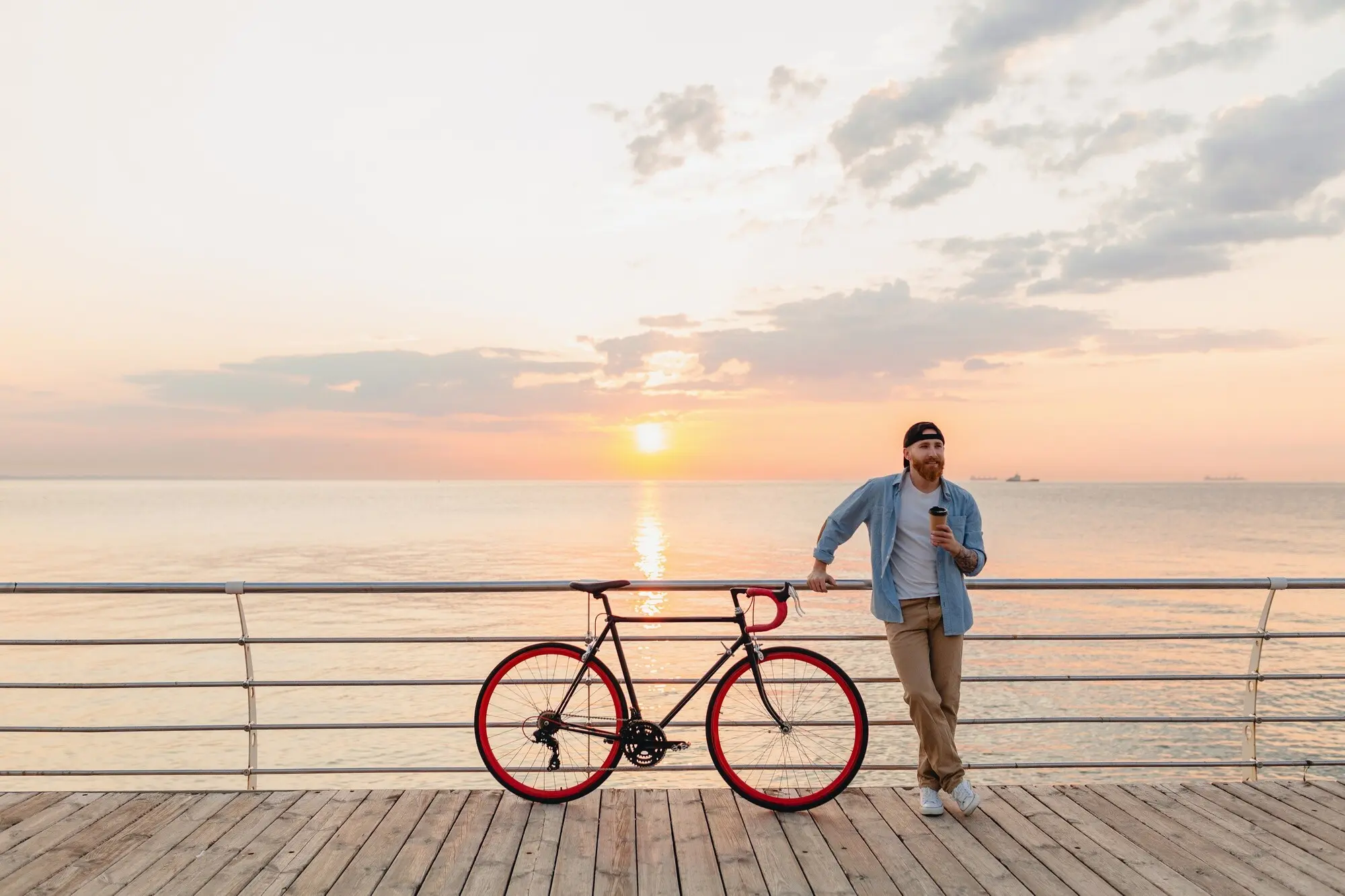
We rolled out under a pink horizon, pushed inland by a cool land breeze, hugging stone fences for shelter. At noon the ocean inhaled, and the ride home flew, flags snapping behind us. That contrast taught pacing, patience, and the art of leaving ego at breakfast.

Your routes, wind hacks, and photographs

Tell us which lighthouse overlooks make you cautious or bold, how you choose wheelsets for capes, and what snacks survive salt fog. Share photos of whitecapped horizons, soaked mitts drying on rails, and sunsets earned slowly into a tailwind. We will feature selected contributions weekly.

Staying connected for smarter seasons

Join our list for field notes after every stormy weekend, reminders before shifting equinox winds, and small challenges that grow coastal confidence. Comment with questions, suggest beacon-to-beacon loops, and meet fellow riders planning respectful, resilient adventures where weather becomes a trusted collaborator rather than a capricious foe.