Ride the Beacons: Conquer Windy Coastlines with Confidence

We’re diving into Essential Gear and Bike Setup for Windy Lighthouse Coastline Tours, translating hard-won lessons from gusty headlands into simple choices you can trust. Expect advice on stable wheels, salt-smart maintenance, windproof layers, and low-profile packing that keeps you upright when crosswinds kick. Imagine cresting toward a beacon as spray drifts across the road, your bike planted, your eyes clear, your lights cutting fog. Join us, share your coastal favorites, and subscribe for field-tested guidance on riding farther, safer, and happier beside the roar.

Reading the Coast: Wind, Spray, and Salt

Coastal wind behaves like a living thing, accelerating around headlands and funneling through gaps where cliffs pinch the air. Learn to read whitecaps, flags, and cirrus streaks, then pair those cues with forecasts for gust spread, wind chill, and shifting directions. Salt spray attacks metal, sand polishes braking surfaces, and fog hides hazards and beauty at once. Understanding these patterns lets you choose safer lines, smarter rest stops, and the perfect moment to climb toward a sweeping lens and the thunder of waves.

Dialing Your Bike for Coastal Gusts

Stability starts with choices that tame the wind without killing efficiency. Favor shallow, boxy rims over deep profiles, a slightly longer wheelbase for calm steering, and flared bars for leverage. Wider tubeless tires at moderate pressures increase contact patch on wet chipseal and sand-dusted shoulders, while compact gearing softens relentless headwind grinds. Add securely mounted fenders, bottle cages, and lights tested against vibration. Keep weight low and central to discourage yaw-induced wobble when gusts slap unexpectedly.

Clothing and Protective Layers

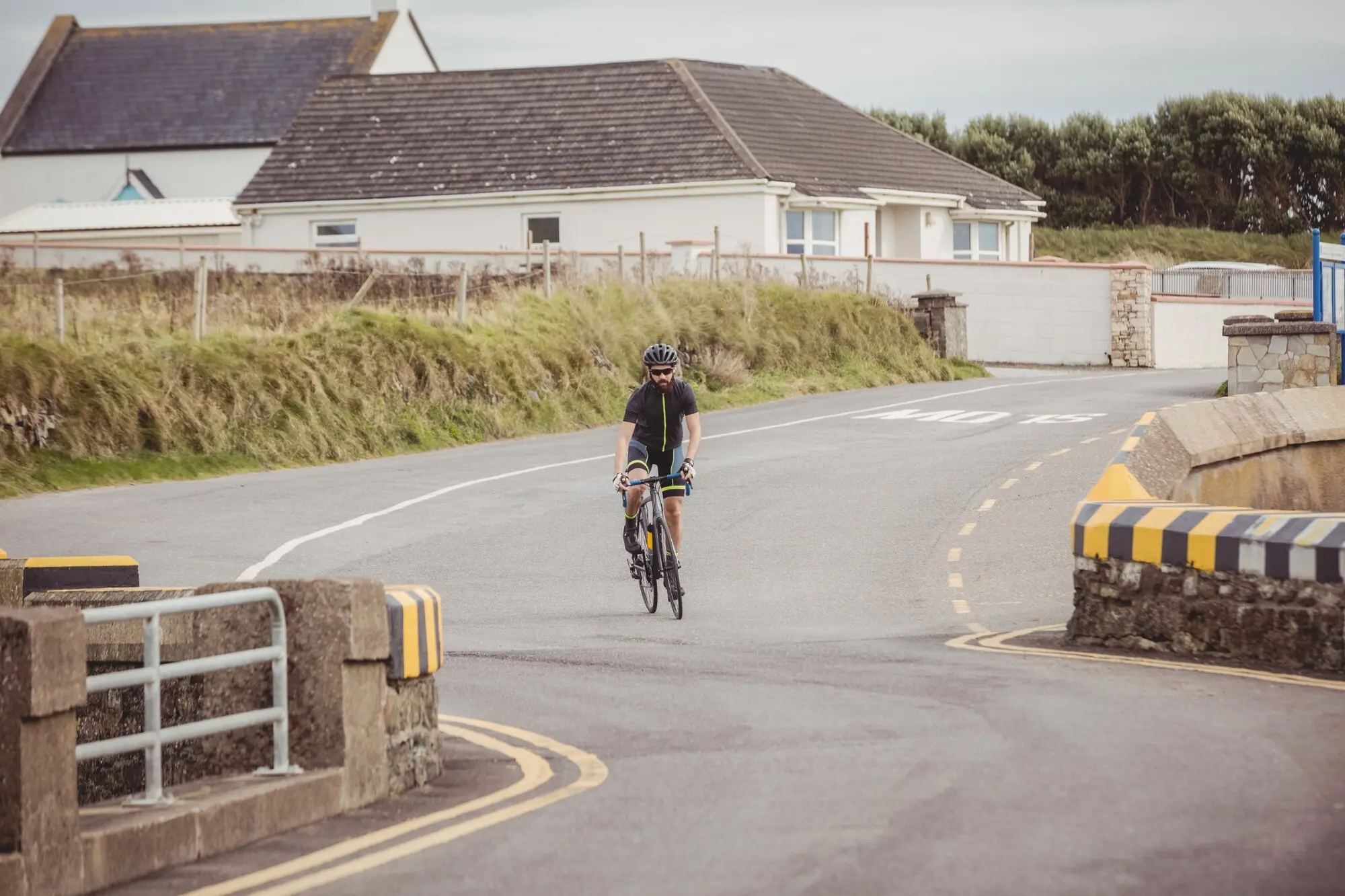
Windproofing and moisture management decide whether a coastal ride feels heroic or miserable. Choose breathable membranes that block gusts yet vent on climbs, pairing merino or high-wicking synthetics beneath. Eye protection with hydrophobic lenses resists spray and sand; clear or yellow tints lift contrast in fog. High-visibility shells and reflective details stand out against slate water and gray skies. Pack insulated gloves and a buff for face shelter, then rotate layers during lighthouse stops before chills steal heat.

Navigation, Safety, and Communication

Fog and wind complicate orientation, sound, and judgment along jagged shorelines. Pair a bar-mounted GPS with an offline phone app and a paper cue sheet sealed in a zip bag. Mark bailout routes to inland cafes or bus stops when fronts barrel in. Small whistles and compact PLBs cut through roaring surf better than shouting, while bright spoke or helmet lights help group cohesion. Share live tracking with a trusted contact, set return check-ins, and respect closures.

Packing Smart: Bags, Racks, and Waterproofing

Gusts punish tall loads and loose straps. Choose low-slung panniers with tight compression or sleek bikepacking bags that hug frames, avoiding sail-like surfaces. Double-bag essentials using roll-top dry sacks and keep electronics in zippered inner pockets. Balance left-right weight to preserve neutral steering on exposed bridges. Add leash tethers to small items like gloves and caps, which love departing in crosswinds. Practice opening bags with one gloved hand, and stash warm layers where you can reach them quickly.

Maintenance and Corrosion Control

Post-Ride De-Salt Routine

Before the bike cools fully, hose gently with fresh water, working from top to bottom so grit flows away from bearings. Avoid high-pressure blasts that drive brine into seals. Pat dry with microfiber, bounce the bike to shake droplets, then lube chain links while spinning slowly. Wipe excess to deny sand a place to cling. Finish by spritzing frames with silicone spray or protective wax, especially under downtubes and behind seat tubes where spray concentrates.

Brakes and Drivetrain Under Abrasion

Before the bike cools fully, hose gently with fresh water, working from top to bottom so grit flows away from bearings. Avoid high-pressure blasts that drive brine into seals. Pat dry with microfiber, bounce the bike to shake droplets, then lube chain links while spinning slowly. Wipe excess to deny sand a place to cling. Finish by spritzing frames with silicone spray or protective wax, especially under downtubes and behind seat tubes where spray concentrates.

Hardware, Cables, and Hidden Spots

Before the bike cools fully, hose gently with fresh water, working from top to bottom so grit flows away from bearings. Avoid high-pressure blasts that drive brine into seals. Pat dry with microfiber, bounce the bike to shake droplets, then lube chain links while spinning slowly. Wipe excess to deny sand a place to cling. Finish by spritzing frames with silicone spray or protective wax, especially under downtubes and behind seat tubes where spray concentrates.